
Which filler type lasts the longest?
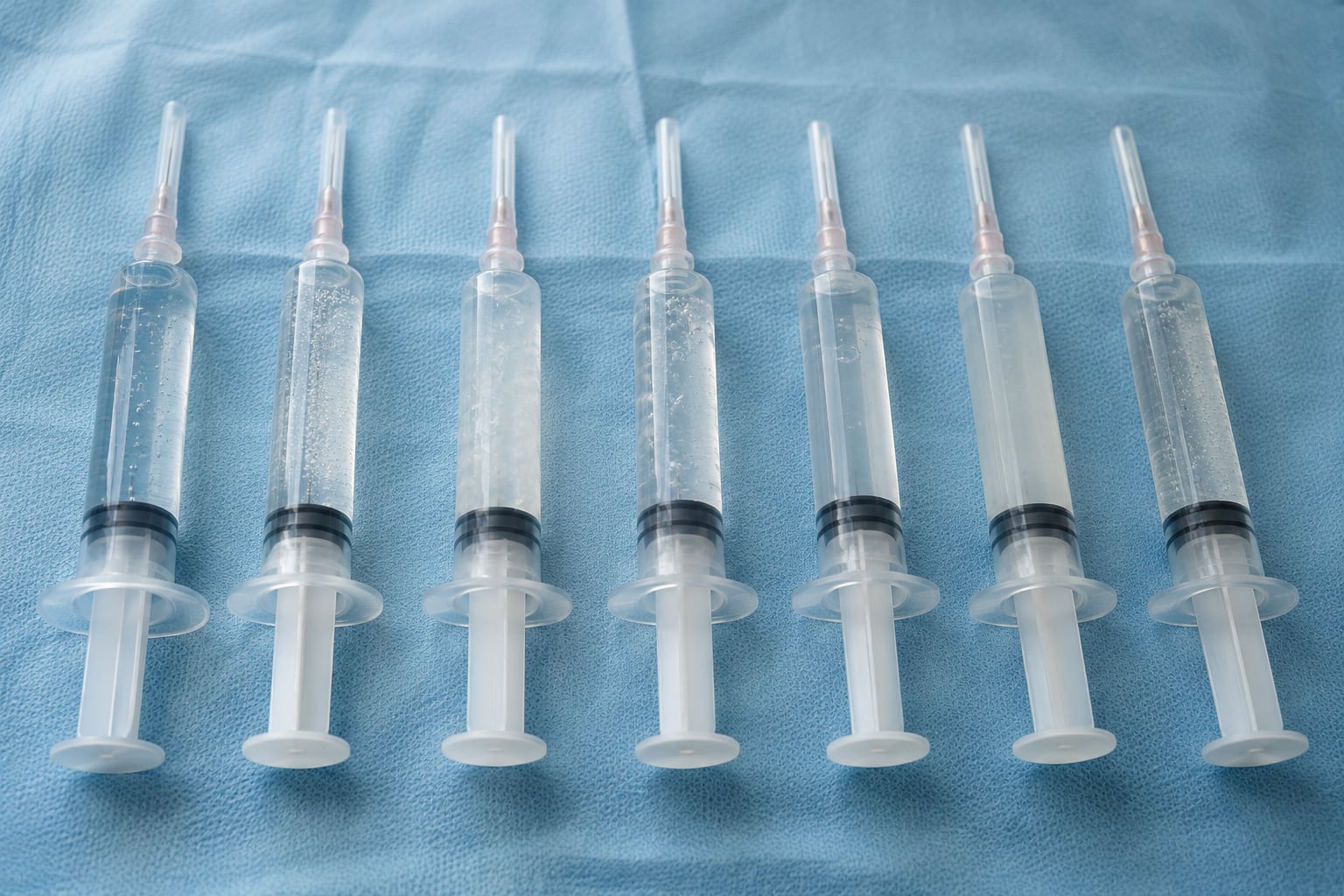
Readers want one answer to how long a filler holds. The source below gives a time and names a filler nearby, so the steps focus on matching the two.
What the source says
my.clevelandclinic.org states: "Healthcare providers usually use poly-L-lactic acid to smooth deep wrinkles on your face."
In the same material it also says: "The results can last two years or more."
What those lines ask of you
The time line does not name its filler by itself. Do not assume it belongs to any one product. Ask which filler it describes before you plan around two years.
Steps before you book
- Write down the filler the clinic proposes, by name.
- Ask how long results from that exact filler usually last.
- Ask whether poly-L-lactic acid is an option for your concern, since the source links it to deep wrinkles.
- Ask what happens when the result fades and what a follow-up visit would involve.
Further reading on filler types and duration
One paper looks at clinical and biophysical differences between non-cross-linked and cross-linked hyaluronic acid dermal fillers. Clinic pages from Penn Medicine and Yale Medicine cover the category, and an article lists do's and don'ts for dermal fillers.
Who to ask if the wording is unclear
Ask the clinician which filler "two years or more" refers to, and have them put the expected duration for your filler in writing.